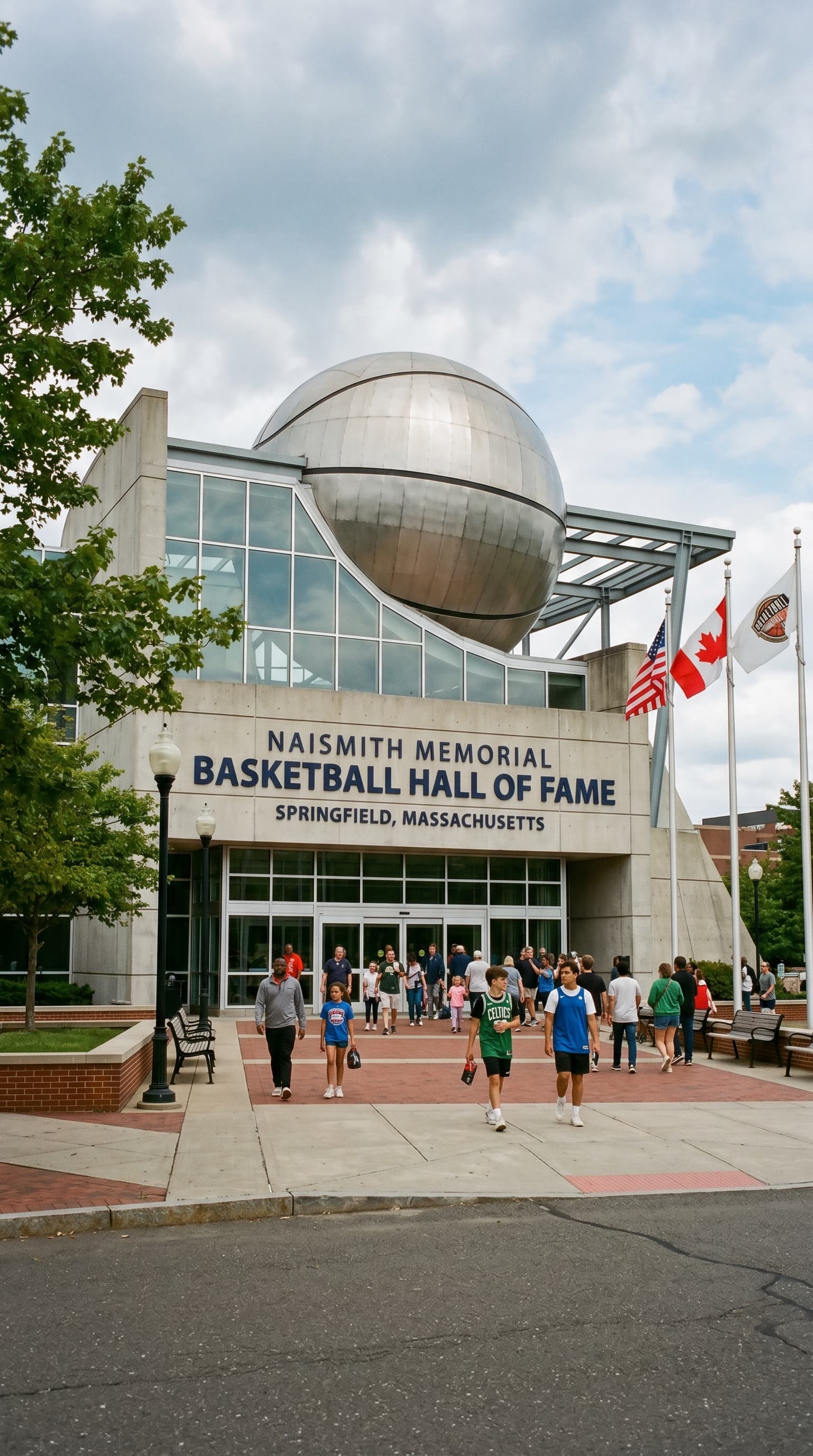
How Springfield invented basketball, and why the dome is on the river
James Naismith was a teaching fellow at the school that became Springfield College. The game he wrote on a notepad in December 1891 is now a global sport, and the Hall of Fame still pulls visitors into the city every weekend.
James Naismith was a 30 year old teaching fellow at the International YMCA Training School in December 1891. The school sat on State Street, in what is now Springfield College. The head of the physical education department had asked Naismith to invent an indoor game that would keep the older students moving through a New England winter without the broken bones of football. He had two weeks.
Naismith wrote thirteen rules on a notepad. He nailed peach baskets to the elevators at opposite ends of the gym. The first game ran on December 21, 1891. It was 9 against 9, the score was 1 to 0, and a student named William Chase made the only basket. The peach baskets had bottoms in them. Somebody had to climb a ladder to retrieve the ball every time. The rules survived. The peach baskets did not.
Springfield College kept Naismith on the faculty for two more years, then he moved to Kansas. The game he invented spread through the YMCA network, then into colleges, then internationally. Within a decade, basketball had reached every continent. Within fifty years, it had become a multi billion dollar global sport. The school where it was invented is still a thirty minute walk from where the Hall of Fame would eventually go.
The Naismith Memorial Basketball Hall of Fame was incorporated in 1959. It opened to the public on the Springfield College campus in 1968. In 2002 it moved to its current riverfront campus on West Columbus Avenue, with the iconic orange dome that travelers crossing the Memorial Bridge see before they see anything else in Springfield. The new campus made the Hall a year round tourism anchor, and the city was deliberate about putting it on the river so the highway approach would frame it.
Inside the Hall is a layered exhibit space that runs from Naismith's original handwritten rules to the most recent inducted classes. The full-court center has interactive shooting, a clear roof so the dome reads from inside, and an annual induction ceremony that brings the sport's largest names through Springfield every September. Hooplandia, the 3 on 3 outdoor tournament that takes over downtown for a long weekend, has grown into one of the largest such events in the country.
What this means for Springfield commercially is steady, year round sports tourism. Hotels, restaurants, ride share, and retail pull on Hall of Fame traffic. Hooplandia weekend in particular fills the city, and any business in walking distance of the riverfront has reason to plan for it. The orange dome is more than a building. It is the reason a non resident has heard of Springfield in the first place.
Places mentioned
The orange dome on the riverfront
Springfield is where basketball was invented, and the Naismith Memorial Basketball Hall of Fame is where the city tells that story.
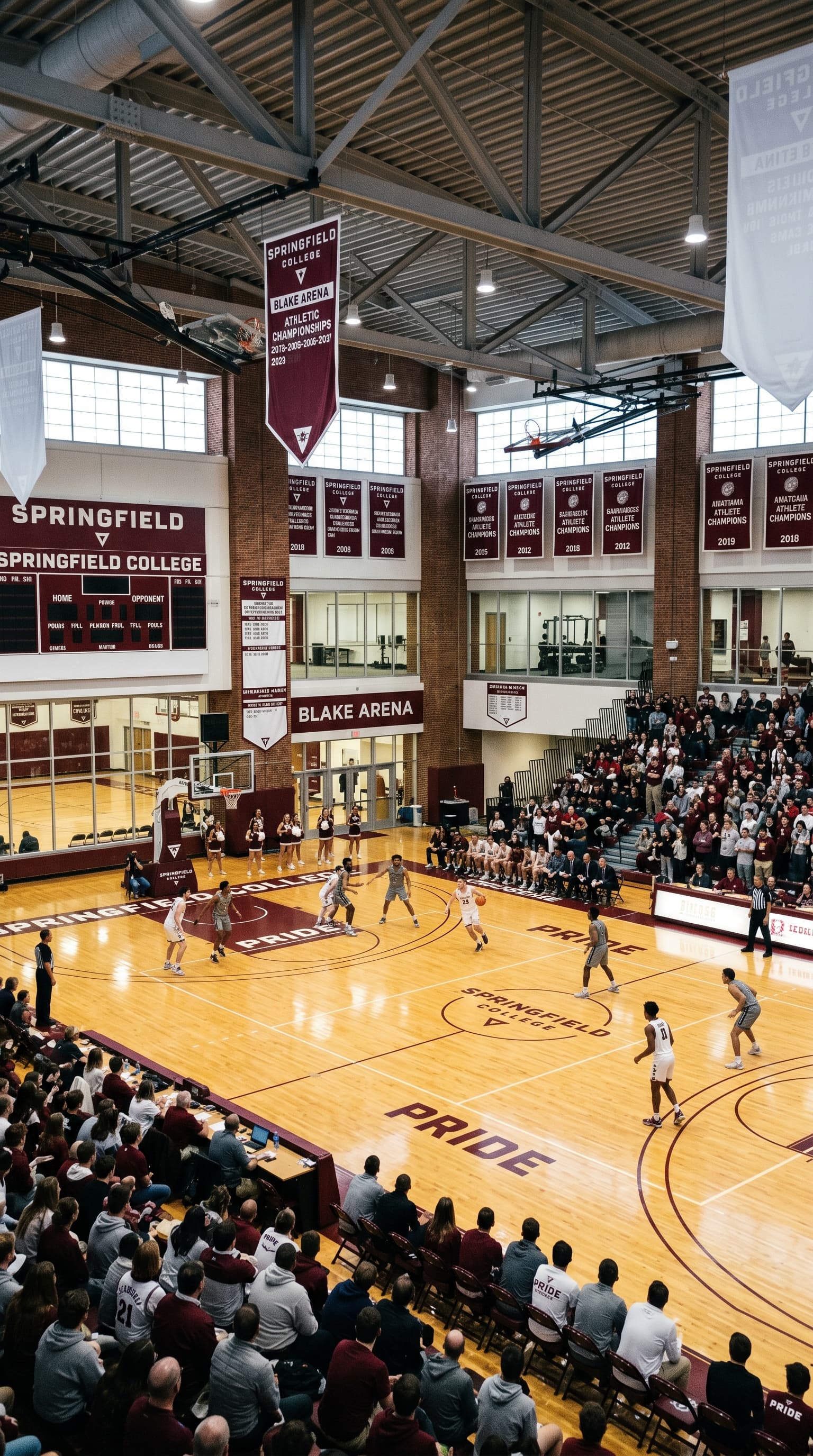
Springfield College, where Naismith taught
The school on Alden Street is the birthplace of basketball, the home of the Pride, and one of three colleges inside the city.
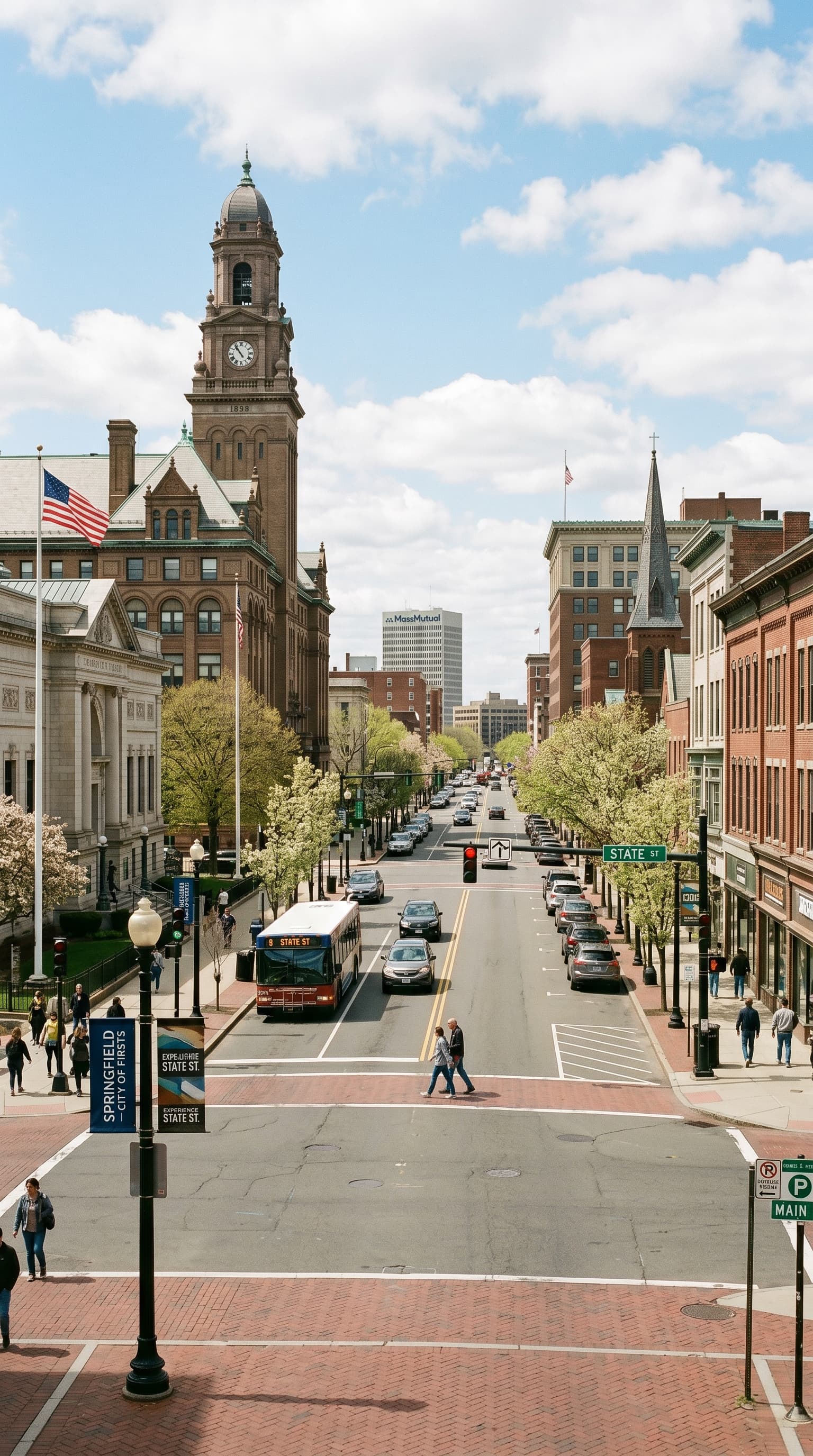
State Street, downtown's east-west spine
From the Quadrangle museums down to the Armory, State Street is the artery the rest of downtown branches off.
Keep reading
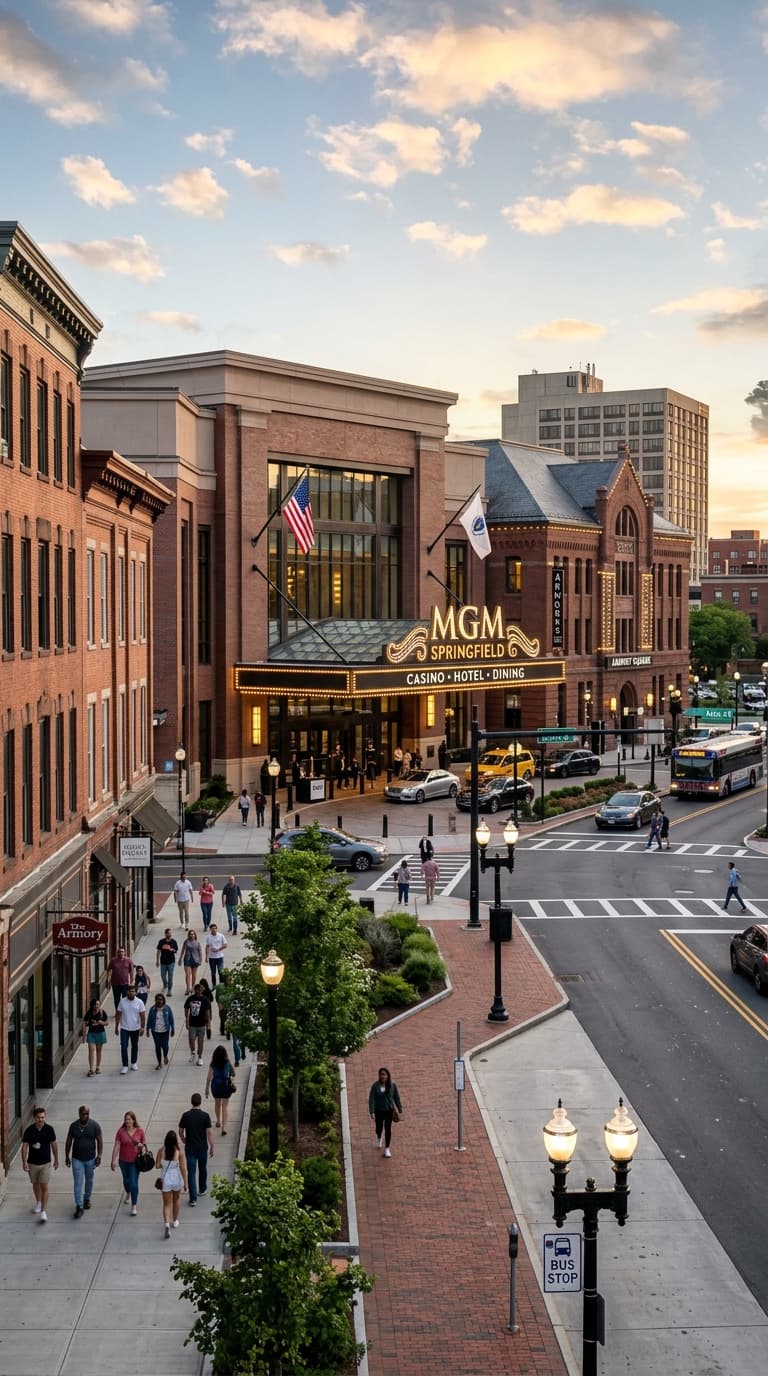
MGM Springfield, seven years in
MGM Springfield was the largest single private investment in Western Massachusetts when it opened in 2018. The complex stitched the South End back into downtown.
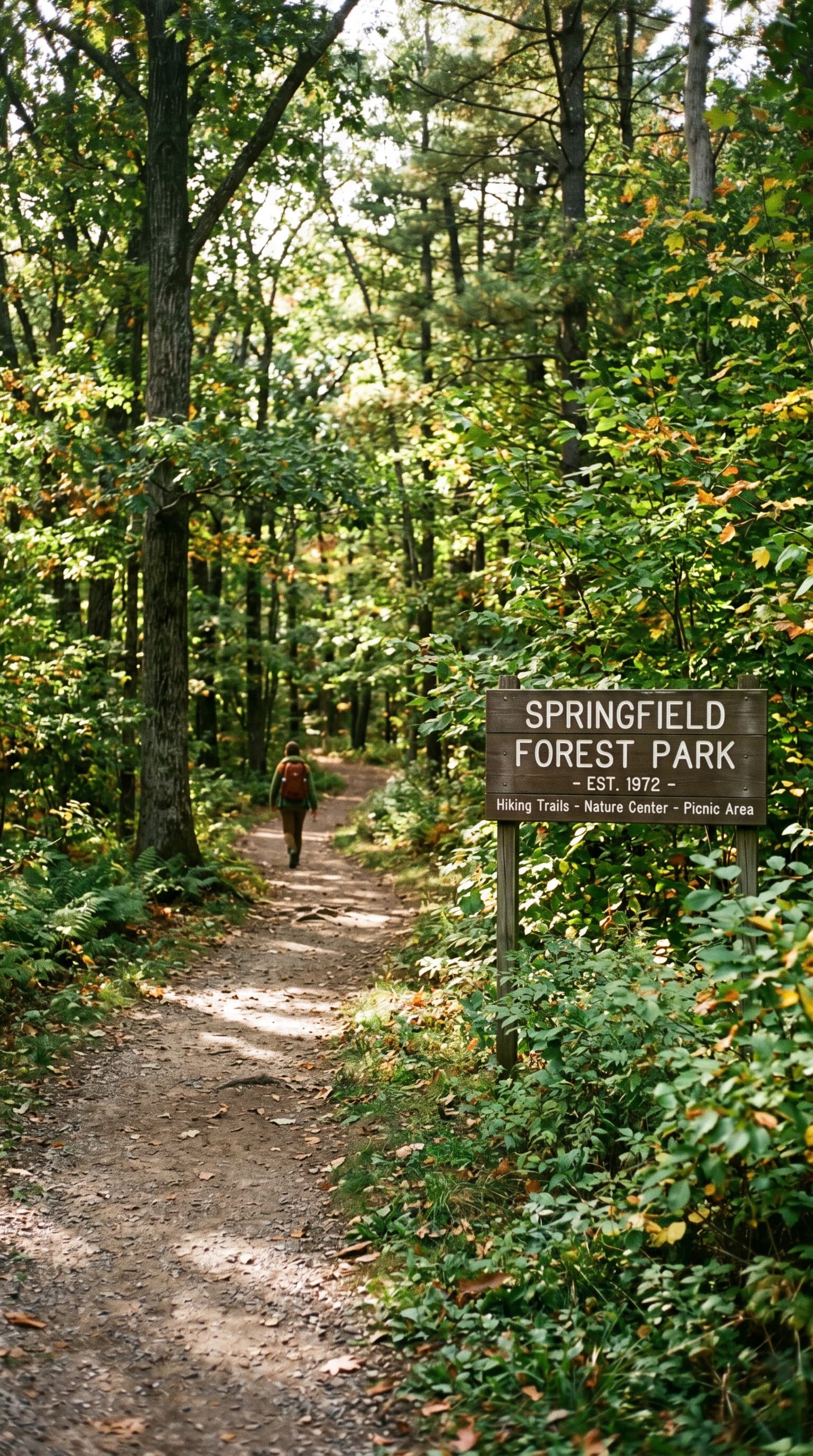
Forest Park is the 735 acres Olmsted gave Springfield
Frederick Law Olmsted's firm laid Forest Park in the 1890s. The rose garden, the zoo, and the Bright Nights drive through have all grown out of that original plan.